After finishing a travel booking,
this always appears.
Should I get insurance,
or just skip it?
The price is around 100 to 300 dollars.
Most people just skip it.
But with this one choice,
it’s not tens of dollars—
it can be thousands of dollars.
This is not about convenience.
It is about whether the loss is something you can absorb or not.
Q. Isn’t travel insurance just something you get “just in case”?
A.
At first, I thought the same. I saw it as something you get just in case, and assumed you would almost never use it. So I skipped it a few times.
But one situation changed that. Someone traveling with me got injured abroad, and there was a separate cost bigger than the hospital bill. The transport cost was larger than the treatment itself. They had to be moved to another city, and I heard it would cost tens of thousands of dollars.
After seeing that, my criteria completely changed.
This is not about preparing for small inconvenience. It is about preventing a situation you cannot handle.
So this is what I do.
I don’t ask if insurance is needed. I ask if there is a situation I cannot absorb.
Q. In what situations does insurance actually become necessary?
A.
International travel, and when money is already locked in.
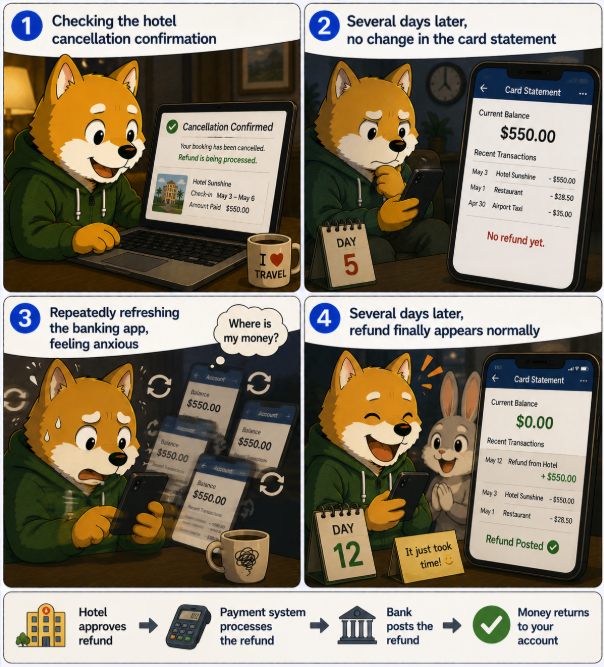
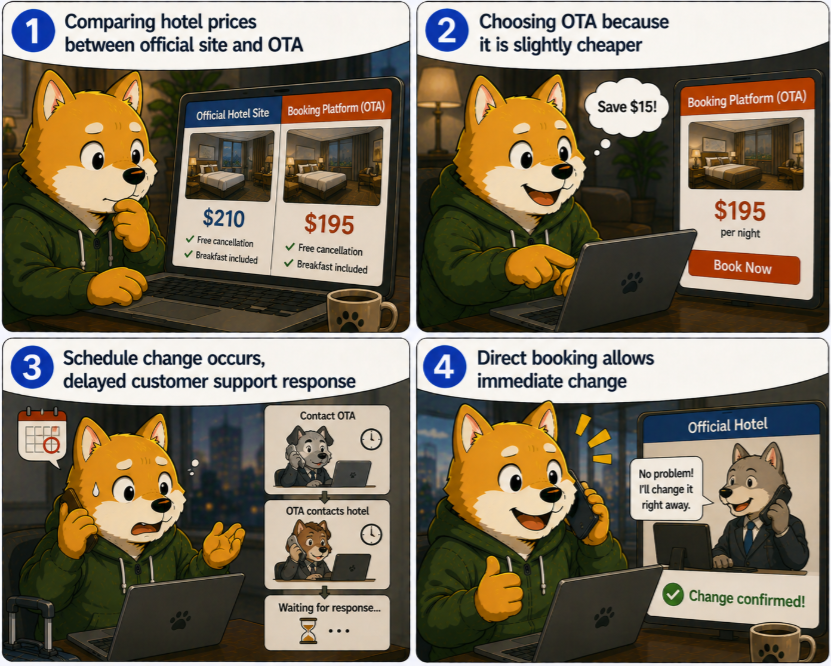
If flights, hotels, and tours are all prepaid, one disruption immediately creates a loss. I once had a schedule change and couldn’t cancel part of my tour and stay, and lost a few hundred dollars.
That was a small case. The bigger issue is medical.
Abroad, even one hospital visit can be expensive, and if transport is required, the amount increases suddenly.
So this is what I do.
If it’s international travel and money is already locked in, I consider insurance first.
Q. Are there cases where insurance is not necessary?
A.
Yes. Domestic travel, or when all bookings are flexible.
I rarely get insurance for domestic trips. Even if plans change, most bookings can be canceled, and medical costs are covered by existing insurance.
I once calculated it. The premium keeps being paid, but there are almost no situations where it actually pays out.
What I realized was simple.
This is not protection. It is just a cost.
So this is what I do.
If the loss is manageable, I don’t buy insurance.
Q. Can you rely on insurance included with credit cards?
A.
Partly yes, partly not enough.
Card insurance usually covers cancellations or delays. But medical is often not included or very limited.
I once relied only on card insurance and later found that what I actually needed was not covered.
What I realized was this.
This is a structure that only protects halfway.
So this is what I do.
I treat card insurance as a base and fill the gaps separately.
Q. Does the value actually justify the cost?
A.
If you look at the structure, it becomes clear immediately.
If the premium is 200 dollars, it looks expensive.
But if the worst-case scenario is 3000 or 10000 dollars, it becomes a completely different decision.
I once calculated it.
The trip cost was 3000 dollars, and the insurance was 150 dollars.
What I realized was this.
It is a structure where 150 dollars protects 3000 dollars.
So this is what I do.
If a small amount can prevent a large loss, I choose it.
Q. What is the most common misunderstanding people have?
A.
They judge based on small inconvenience.
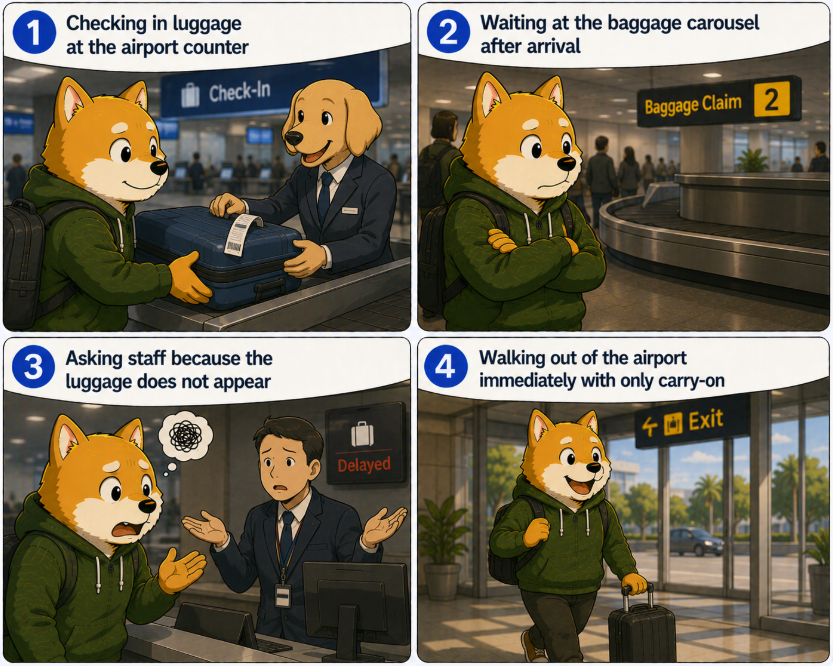
Delayed luggage, slightly disrupted schedules—if you look at those, insurance doesn’t seem necessary.
But the real issue is major incidents.
I once considered insurance because of baggage delay, but later realized that was nothing.
The real issue was medical or transport.
So this is what I do.
I don’t look at inconvenience. I look at major loss.
Q. Then how should the conclusion be made?
A.
It’s simple.
If the loss is large, get insurance.
If the loss is small, proceed without it.
This is not a choice issue.
It is not a matter of choice. It is a matter of criteria.
So this is what I do.
If there is a situation in this trip I cannot absorb, I get insurance immediately.
Published date
2026-04-24