Abroad, everything is card-based.
So most people just bring the card they normally use.
But with this one choice,
money gets frozen,
payments get blocked,
and schedules fall apart.
This is not a payment method issue.
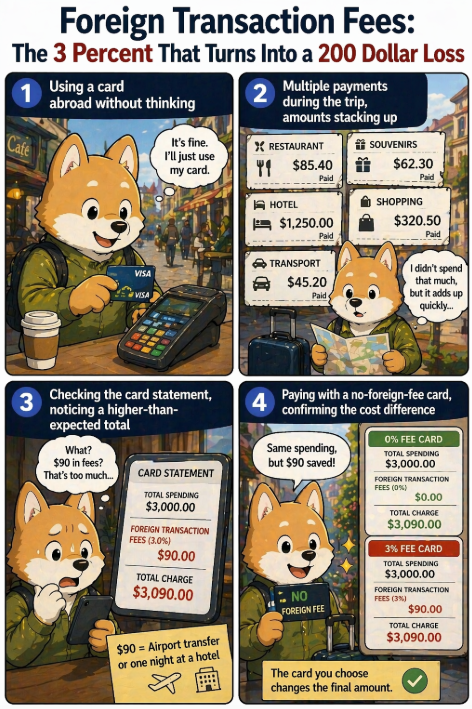
It is about what type of card structure you use.
Q. Is the difference between debit cards and credit cards abroad really that big?
A.
Much bigger than expected. I used to carry only the debit card I normally used.
At first, there were no major issues. Small payments worked fine.
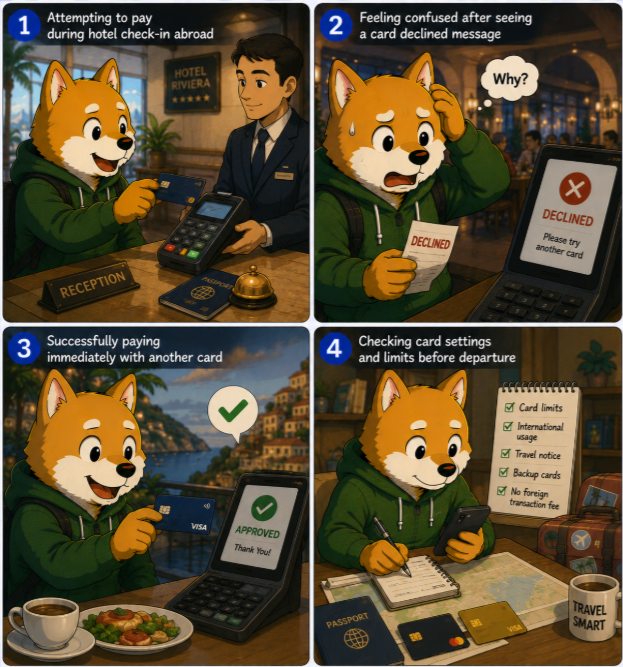
The problem came at hotel check-in.
An additional amount was held on top of the room charge, and actual money in my account became frozen.
Then I tried to make another payment, and suddenly the balance became insufficient.
The money existed, but I couldn’t use it.
What I realized was simple.
This was not just a card difference. It was a completely different money flow structure.
So this is what I do.
Abroad, I use credit cards as the default.
Q. Why do debit cards get blocked more often abroad?
A.
Because the security structure is stricter.
Debit cards are directly connected to real cash.
From the bank’s perspective, blocking immediately is safer when a risk signal appears.
I once tried to withdraw cash abroad from an ATM and the card got blocked.
That day, I couldn’t withdraw cash, couldn’t make payments, and everything stopped.
After that, my criteria changed.
I started seeing debit cards not as payment tools,
but as cash access tools.
So this is what I do.
I carry debit cards only as backup.
Q. Why are credit cards relatively more stable?
A.
The structure itself is different.
Credit cards use the card company’s limit, not your actual money, so even if suspicious activity occurs, the handling is more flexible.
I once had a temporary block abroad, but after confirming in the app, it was immediately released.
With debit cards, once blocked, access to cash itself often becomes difficult.
So this is what I do.
Important payments are handled with credit cards.
Q. Does the difference become even bigger with hotels or rental cars?
A.
Completely.
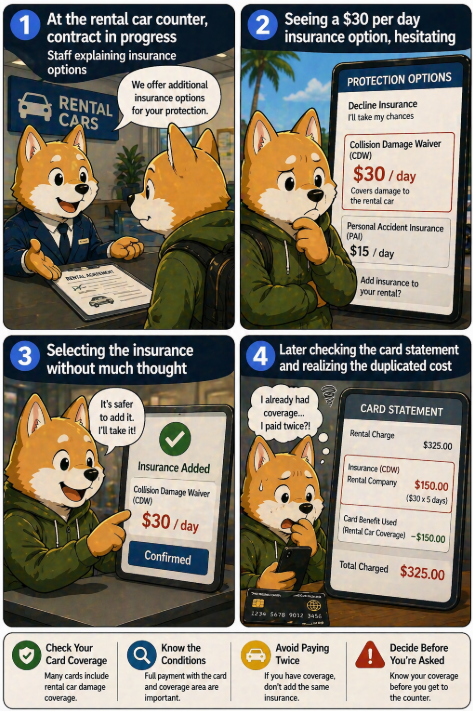
Hotels and rental cars place additional holds.
With debit cards, that amount is frozen directly from the account.
I once had a 300 dollar hotel hold and a 400 dollar rental car hold at the same time.
After that, my card kept getting declined.
What I realized was simple.
This was not a payment failure. It was a liquidity issue.
So this is what I do.
Hotels and rental cars always go on credit cards.
Q. Then are debit cards unnecessary?
A.
No.
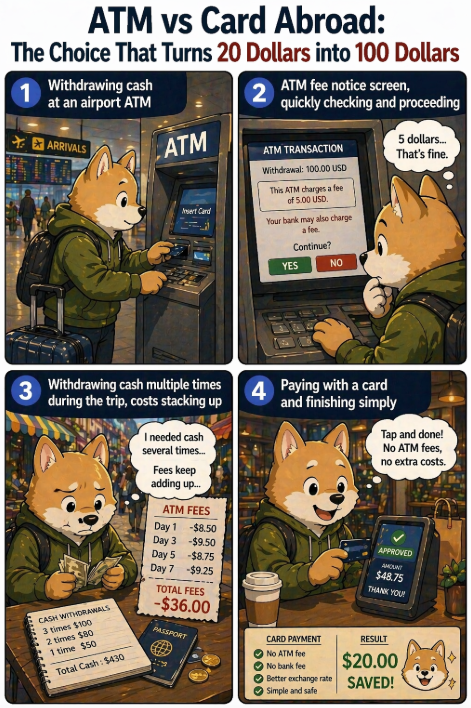
They are still useful for cash withdrawals.
Especially in countries where cash is used frequently, debit cards are necessary.
Now I divide the structure like this:
Credit card for payments
Debit card for cash withdrawals
After separating the roles this way, the problems themselves decreased.
So this is what I do.
I use debit cards only for cash access.
Q. What is the most common mistake people make?
A.
Bringing only the card they normally use.
I used to rely only on debit cards because they felt familiar.
But abroad, stability mattered more than familiarity.
Because once it gets blocked, the impact is much larger.
So this is what I do.
Abroad, I choose the more stable card, not the more familiar one.
Q. Then how do you summarize the conclusion?
A.
It’s simple.
With credit cards, even if problems happen, adjustments are possible.
With debit cards, if problems happen, even cash access gets blocked.
This is not a preference issue.
It is a risk structure issue.
So this is what I do.
Abroad, I use credit cards as the default and keep debit cards only as backup.
Published date
2026-05-08