When paying for travel,
you see this.
900 dollars now,
or 180 dollars per month.
Most people choose installments.
Because it feels like the burden is reduced.
But with this one choice,
the money is not reduced,
it is locked.
This is not a payment method issue.
It is about when you can exit.
Q. Isn’t installment payment a good way to reduce burden?
A.
At first, it feels that way. Paying 180 dollars over time feels much easier than paying 900 dollars at once. I have used this method before.
At that time, it felt manageable. It felt like less money was going out.
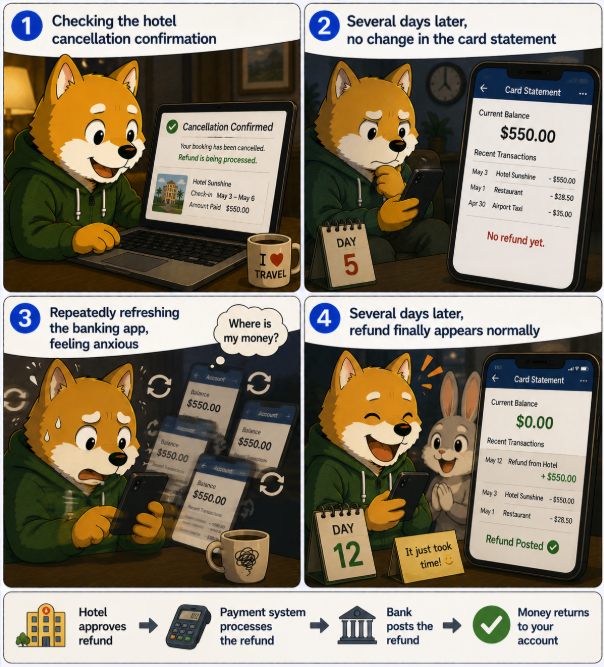
But when my schedule changed, the situation changed. I had to cancel the trip, but since it was already in an installment structure, the refund was not immediate.
In the end, the total amount remained, and some payments were still ongoing.
What I realized was simple.
This was not splitting the payment. It was making it harder to exit.
So this is what I do.
I look at the full conditions, not the monthly amount.
Q. Can installment payments actually cost more?
A.
Yes, depending on the terms.
Some include fees—around 3 to 5 percent.
I once paid for a 2000 dollar trip in installments, and later saw that I paid about 100 dollars more.
At the time, it looked small, but when calculated, it was just an extra cost.
More importantly, paying that fee did not reduce any risk.
So this is what I do.
If there is an installment fee, I treat it as an added cost.
Q. Then is 0 percent interest installment a good option?
A.
Only if the conditions are complete.
No interest,
refundable,
no delay penalties.
I once used installments under these conditions, and it worked fine.
Only the cash flow was divided, the structure remained the same.
But these conditions are rare.
So this is what I do.
If the conditions are not complete, I don’t use installments.
Q. When do installment payments become more risky?
A.
When combined with non-refundable conditions.
I once paid for flights and hotels in installments, and both were non-refundable.
When my schedule changed, I needed to cancel, but I couldn’t do anything because of the payment structure.
What I realized was this.
This was not just a payment. It was a locked contract.
So this is what I do.
I don’t combine installments with non-refundable terms.
Q. What is the most common misunderstanding people have?
A.
They think the burden is reduced.
I once paid for a 1500 dollar trip in installments and thought it was manageable.
But in reality, the money was not reduced—only the payment method changed.
It became harder to cancel, and the structure became more complex.
That’s when my criteria changed.
It looked convenient, but it was a more restrictive choice.
So this is what I do.
I look at total risk, not monthly cost.
Q. Then when is installment payment the right choice?
A.
When cash flow matters and conditions are flexible.
If the trip is already confirmed, the chance of cancellation is low, and the structure is flexible, then it works.
In that case, it is only dividing the payment method.
But in most travel, there are many variables.
So this is what I do.
I choose installments only when flexibility is preserved.
Q. Then how do you summarize the conclusion?
A.
It’s simple.
Installments do not reduce the burden.
They only divide time.
If conditions are locked, the risk stays the same.
So this is what I do.
If conditions are not flexible, I don’t use installments.
Published date
2026-05-07